
Die Städte Kärntens
Mehr zu den Städten Kärntens ...

Bleiburg
Bleiburg wird zum ersten Mal in einer Urkunde aus dem Jahr 1000 erwähnt. Damals schenkt Bischof Albuin von Brixen seinem Bruder das Gut Liupicdorf, das spätere Bleiburg. 1228 wird Bleiburg als castrum et forum pliburch bezeichnet. Das Gebiet kommt im 13. Jahrhundert unter den Herrschaftsbereich der Grafen von Heunburg, später der Pfannberger und ab 1338 wird Bleiburg von den Auffensteiner verwaltet. Letztere zetteln einen Aufstand gegen die Habsburger an, in dessen Zuge es zur Belagerung und schließlich zur Zerstörung von Bleiburg kommt. Danach wird Bleiburg unter landesfürstliche Verwaltung gestellt und erhält 1370 das Stadtrecht verliehen. 1393 kommt noch das Marktrecht hinzu, welches bis heute die rechtliche Grundlage für den Bleiburger Wiesenmarkt bildet. Im Laufe der Türkenkriege wird auch Bleiburg mehrmals zerstört, aber immer wieder aufgebaut. Südslawische Truppen besetzten, ebenso wie Völkermarkt, auch Bleiburg nach Ende des Ersten Weltkriegs. Am 5. Mai 1919 gelingt es Kärntner Truppen, die Stadt zurückzuerobern, nur um sie Ende Mai erneut an die Südslawen zu verlieren. Im Zuge der Volksabstimmung vom 10. Oktober 1920 spricht sich die Mehrheit der Bleiburger Bevölkerung für einen Verbleib bei Österreich aus. Im Verlauf der Zwischenkriegszeit und als Folge des Abwehrkampfes kommt es zu Diskriminierungen der Kärntner Slowenen. Ihre Vereine und Sprache werden verboten, der Gebrauch unter Strafe gestellt. Auch in Bleiburg kam es während des Zweiten Weltkriegs zu Deportationen der slowenisch sprechenden Bevölkerung von Kärnten. Bleiburg, slowenisch Pliberk, hat heute (Stand 1. Jänner 2022) 4.127 Einwohner.

Friesach
Das Gebiet, in dem das heutige Friesach liegt, war schon früh besiedelt, was archäologische Funde bezeugen. Auch die Slawen siedeln sich in diesem Raum an, wie sich durch die zahlreichen slawischen Orts- und Flurnamen belegen lässt. Der Name Friesach leitet sich vom slawischen Breže (= Ort bei den Birken) ab. Nachdem 740 die Karantanen besiegt werden, besiedeln die Bajuwaren den Ort. In Friesach selbst entsteht in dieser Zeit eine Reihe von Wirtschaftshöfen. 860 übergibt Ludwig der Deutsche mehrere Güter an den Erzbischof von Salzburg, Adalwin, darunter befindet sich auch ein Hof ad Friesah (= vor Friesach). Dies ist die älteste urkundliche Erwähnung des Ortes. Zwischen 1016 und 1028 gründet Graf Wilhelm südlich von diesem Hof einen Markt. Wegen seiner guten Lage an der Handelsroute zwischen Wien und Venedig wird Friesach zu einem wichtigen Handelszentrum in Kärnten aufsteigen. 1215 wird der Markt Friesach zur Stadt erhoben. Unter Erzbischof Eberhard II. erlebt Friesach seine Blütezeit und steigt zur zweitgrößten Stadt innerhalb der Besitzungen des Erzbistums Salzburg auf. Aufgrund von Konflikten zwischen dem Erzbistum und dem Hause Habsburg wird Friesach während des 13. Jahrhunderts dreimal erobert, geplündert und verwüstet. Die Stadt bleibt bis 1803 Teil des Erzbistums Salzburg, kann aber an ihre wirtschaftliche Bedeutung, die sie im Mittelalter hatte, nach den Zerstörungen nie mehr anknüpfen. Friesach hat heute (Stand 1. Jänner 2022) 4.893 Einwohner.

Gmünd
Von der Römerstraße Via Julia Augusta zweigt bei Seeboden eine Straße nach dem heutigen Salzburg ab, diese Straße verlief wahrscheinlich über das heutige Gmünd. Die Ortschaft Gmünd entsteht im 11. oder 12. Jahrhundert nach Christus und zwar als ein Vorposten der Erzdiözese Salzburg. Zum ersten Mal wird Gmünd 1252 in einer Urkunde erwähnt. 1273 wird der Ort als erzbischöflicher Markt bezeichnet. 1346 erhielt Gmünd das Stadtrecht und ist damit nach Friesach die zweitälteste nachweisbare mittelalterliche Stadt in Kärnten. In Gmünd wird auch 1773 die Giftmörderin Eva Faschaunerin, die ihre Taten unter der Folter gesteht, als eines der letzten Opfer der österreichischen Inquisition hingerichtet. Gegen Ende des Zweiten Weltkriegs verlegt Ferdinand Porsche seine Produktionsstätte in das vom Krieg wenig gefährdete Gmünd. Bis 1950 werden hier die ersten Modelle des Porsches 356 gebaut. Noch heute gibt es in Gmünd ein Porsche Automuseum, welches an diese Zeit erinnert. Gmünd hat heute (Stand 1. Jänner 2022) 2.534 Einwohner.

Klagenfurt
Archäologische Funde belegen in den Jahren 4000 und 2000 v. Chr. eine Besiedlung des Klagenfurter Gebietes. In der Antike gibt es keine Siedlungen von Bedeutung in diesem Gebiet. Erst in der ersten Hälfte des 12. Jahrhunderts erlangt Klagenfurt langsam Bedeutung. Die Spanheimer erwerben Teile des heutigen Stadtgebietes und gründen 1142 unter anderem das Zisterzienserstift Viktring. Die Herzöge Hermann und Bernhard von Spanheim gelten als Begründer von Klagenfurt. Hermann ist es, der den Markt Klagenfurt begründet, der zwischen 1192 und 1199 zum ersten Mal urkundlich erwähnt wird. Da Klagenfurt aber damals im Überschwemmungsgebiet der Glan liegt, kam es oft zu Überflutungen. Deshalb gründet Bernhard 1246 – in einem sicheren Gebiet – Klagenfurt neu. 1252 wird dem Markt das Stadtrecht verliehen. Nachdem Klagenfurt mehrmals durch Erdbeben und Feuer zerstört wird, bitten die Kärntner Landstände 1514 Kaiser Maximilian I., ihnen die Stadt zu überlassen. Der Kaiser schenkt im sogenannten Gabbrief von 1518 die Stadt samt Burg und Bürgerschaft den Landständen. Die Stände beginnen die Stadt nach ihren Vorstellungen wiederaufzubauen. 1527 wird der Lendkanal als künstliche Wasserstraße vom Wörthersee bis zur Stadt angelegt. Die „Galgentratte“ wird zum Neuen Platz und damit zum Stadtmittelpunkt umgestaltet. Repräsentativbauten wie das Landhaus und der Dom zu Klagenfurt entstehen. Große Teile der Bevölkerung und nahezu die gesamten Landstände schließen sich dem lutherischen Glauben an. 1595 starten die Habsburger mit ihrer Gegenreformation und stellen auch die Klagenfurter Bevölkerung vor die Wahl, dem neuen Glauben abzuschwören oder die Stadt zu verlassen. Klagenfurt hat heute (Stand 1. Jänner 2022) 102.618 Einwohner.

St. Veit an der Glan
Das Fragment eines karolingischen Flechtwerksteines, der sich heute in der Außenmauer des Karners der Stadtpfarrkirche befindet, ist der früheste Hinweis auf eine Besiedlung des Gebietes St. Veit. Der Ungarneinfall im Jahr 901 soll angeblich Anlass zur Gründung gewesen sein. Bis 1122 herrschen die Eppensteiner über das Gebiet. Ihnen folgen die Spanheimer nach, die alsbald zu Herzögen von Kärnten aufsteigen. Ab dem späten 12. Jahrhundert wird St. Veit zum Sitz der Kärntner Herzöge. Ihre erste Blütezeit erlebt die Stadt unter Herzog Bernhard von Spanheim. Dieser lässt ab 1205 in St. Veit herzogliche Münzen prägen. 1224 erhält der Ort das Stadtrecht mit einem eigenen Richter. Herzog Bernhard lässt neben einer Stadtmauer auch eine Burg bauen. 1214 besuchte der berühmte Minnesänger Walther von der Vogelweide St. Veit. Als 1269 die Spanheimer aussterben, folgt ihnen 1286 Meinhard II. von Görz-Tirol als Herzog von Kärnten nach. Unter dessen Regentschaft kommt es zu Aufständen, in deren Folge die Burg und die Stadt schwer beschädigt werden. Für die Grafen von Görz-Tirol war St. Veit nur mehr ein Nebenschauplatz und verliert seinen Glanz. 1335 fällt das Herzogtum Kärnten an die Habsburger. 1450 wird St. Veit erstmals in einer Urkunde als Hauptstadt von Kärnten erwähnt. Im Zuge der Türkenkriege wird die Stadt fünfmal zerstört. 1518 übergibt Kaiser Maximilian Klagenfurt an die Landstände und damit ist das Ende von St. Veit als Hauptstadt von Kärnten besiegelt. St. Veit an der Glan, slowenisch Sveti Vid oder Šent Fid, hat heute (Stand 1. Jänner 2022) 10.508 Einwohner.

Villach
Die ältesten menschlichen Spuren lassen sich für den Raum Villach aus der späten Jungsteinzeit nachweisen. Zahlreich sind auch die archäologischen Funde aus der Römerzeit im Stadtgebiet. Der Römerweg verläuft damals nahe Warmbad Villach und war einer der wichtigsten Verkehrswege von Italien in den Ostalpenraum. Römische Zeugnisse lassen auch auf eine Nutzung der dortigen Thermalquellen schließen. Als Karantanien 740 unter die Herrschaft des Herzogtums Bayern kommt, wird im Zuge der christlichen Missionierungspolitik die Drau zur Diözesangrenze bestimmt. 979 wird der Königshof Villach von Kaiser Otto II. an Bischof Albuin von Säben-Brixen zum Lehen übergeben. 1007 fällt der Villacher Raum an das durch Kaiser Heinrich II. gegründete Bistum Bamberg. 1060 erhält Villach das Marktprivileg und 1225 erlaubt Kaiser Friedrich II., dass jedes Jahr in Villach ein Jahrmarkt abgehalten werden dürfe. Im Jahr 1240 wird Villach zum ersten Mal als Stadt in einer Urkunde erwähnt. Ab 1526 wird die Stadt zu einem der Zentren der Reformation in Kärnten. Während der Gegenreformation werden auch hier die Anhänger Luthers verfolgt und nach 1600 gezwungen, die Stadt zu verlassen. Diese Maßnahme beschleunigt den wirtschaftlichen Verfall der Stadt. Maria Theresia kauft 1759 Villach und andere bambergische Besitzungen in Kärnten und gliedert sie in die Habsburger Monarchie ein. Unter Napoleon wird die Stadt zu einer Kreisstadt innerhalb der Illyrischen Provinz. 1813, als es den Habsburgern gelingt, die Stadt zurückzuerobern, erleidet sie schwere Schäden. Villach hat heute (Stand 1. Jänner 2022) 64.071 Einwohner.

Völkermarkt
1090 wird der Kaufmann Volko aus Rheinfranken von Graf Engelbert von Spanheim mit der Errichtung einer Marktsiedlung betraut. Zwischen 1105 und 1126 wird der Ort als Vochimercatus (= Markt des Volko) bezeichnet. Daraus entwickelt sich der heutige Name von Völkermarkt. Herzog Bernhard von Spanheim lässt 1217 eine Brücke über die Drau bauen und 1231 legt er eine strategisch bessere Siedlung an. Im Laufe des 13. Jahrhunderts erwirbt diese Siedlung das Stadtrecht und steigt wirtschaftlich auf. Erst im Laufe des 16. Jahrhunderts verlor die Stadt an Bedeutung. Nach dem Ende des Ersten Weltkriegs marschieren am 5. November 1918 südslawische Truppen in Südkärnten ein. Der Vormarsch wird zunächst durch das sogenannte Ferlacher Abkommen gestoppt und eine Demarkationslinie südlich von Völkermarkt entlang der Drau gezogen. Das Abkommen wird von den Südslawen am 26. November gebrochen und vier Tage später wird Völkermarkt von südslawischen Truppen erobert. Die amtierende Regierung wird durch eine Regierung aus Laibach ersetzt. Am 2. Mai 1919 gelingt es Kärntner Truppen, die Stadt kurzfristig zurückzuerobern. Bereits einen Monat später ist Völkermarkt wieder in der Hand der Südslawen. Im Zuge der Kärntner Volksabstimmung vom 10. Oktober 1920 stimmen 83 % für den Verbleib bei Österreich. Während des Nationalsozialismus kommt es im April 1942 zur Deportation von Kärntner Slowenen auch aus dem Raum Völkermarkt. Viele schließen sich daraufhin dem bewaffneten Widerstand an. Völkermarkt, slowenisch Velikovec, hat heute (Stand 1. Jänner 2022) 10.904 Einwohner.
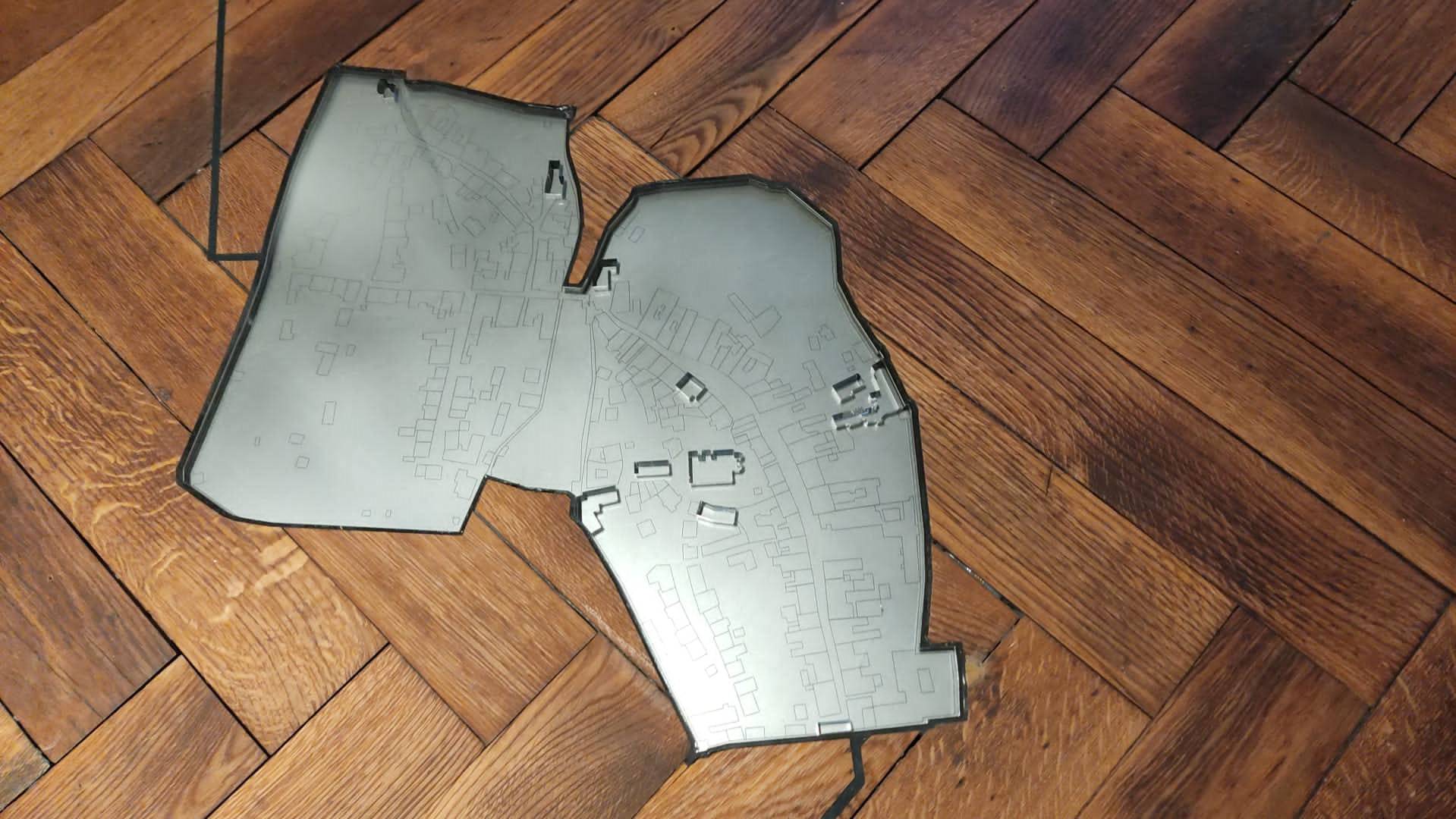
Wolfsberg
In Wolfsberg und dem Gebiet rund um die Stadt finden sich erste Spuren einer Besiedlung aus der Bronze-, Hallstatt- und Römerzeit. Wahrscheinlich kommt Wolfsberg Anfang des 11. Jahrhunderts unter den Herrschaftsbereich des Bistums Bamberg. 1178 wird die Burg Wolfsberg als Wolfsperch erstmals urkundlich erwähnt. 1328 macht Bischof Werntho von Bamberg Wolfsberg zum Sitz des bambergischen Vizedoms in Kärnten. Von hier aus werden nun alle Besitzungen Bambergs wie St. Leonhard, Villach, Feldkirchen, Griffen und Tarvis verwaltet. Am 30. September 1331 bekommt Wolfsberg das Stadtrecht verliehen. 1338 werden die Juden aus der Stadt vertrieben, dies ist laut Legende auf eine Hostienschändung zurückzuführen. Im 16. Jahrhundert wird auch Wolfsberg zu einem Zentrum der Reformation. In der Kapelle von Schloss Bayerhofen treffen sich die Anhänger Luthers. In der in der Nähe befindlichen Burg Waldenstein wird eine der ersten österreichischen Druckereien eingerichtet, welche die Lutherbibel und protestantische Flugschriften in slowenischer Sprache druckt. Der in Wolfsberg ansässige Vizedom Georg von Stadion führt die Gegenreformation in Wolfsberg durch. 1634 siedeln sich die Kapuziner in der Stadt an und gründen ein Kloster. 1759 erwirbt Maria Theresia Wolfsberg und andere Besitzungen Bambergs. Wolfsberg hat heute (Stand 1. Jänner 2022) 25.056 Einwohner.
